

You don’t need a hundred photos with a classic car.
You need a controlled, intentional sequence that looks editorial, expensive, and planned.
Whether you’re using classic cars, vintage cars for weddings, or antique cars, the difference between iconic and random is not the car—it’s shot discipline.
Miami is unforgiving: harsh light, busy architecture, constant movement. These 12 shots work because they isolate luxury, not because they chase variety.
First: Plan a 15–20 Minute “Car Photo Block” (Non-Negotiable)
Dragging this out is the fastest way to:
- Kill momentum
- Overpose the couple
- Turn a premium asset into background clutter
Reality check:
If your photographer needs more than 20 minutes, they’re improvising—not executing.
Requirements before the car arrives:
- Shot list printed or shared digitally
- Sun position confirmed
- Venue clearance checked (no valet chaos)
- Driver briefed (doors, positioning, timing)
This is a controlled micro-session, not a creative free-for-all.
The 12 Classic-Car Wedding Shots That Actually Work
1. The Approach Shot (Walking Toward the Car)
Why it works: Movement reads editorial. Stillness reads staged.
Execution: Couple walks past the camera, eyes off-lens.
Kill switch: Stopping to pose or smiling directly at camera.
2. The Door Moment
Why it works: Old-world etiquette = instant luxury signal.
Execution: One partner opens the door slowly—no rush.
Kill switch: Photographer asking for “one more take” after the moment dies.
3. The Seated Elegance (Framed Through the Door)
Why it works: Natural framing = magazine composition.
Execution: Door open halfway, photographer outside, couple angled inward.
Kill switch: Wide-open doors that flatten the scene.
4. The Mirror Glance
Why it works: Looks candid, feels intimate, zero posing.
Execution: Driver’s mirror or rearview, shallow depth of field.
Kill switch: Couple trying to “find” the mirror with their eyes.
5. The “Just Married” Exit
Why it works: Controlled chaos reads real.
Execution: Step out laughing—on cue, once.
Kill switch: Repeating it. Fake laughter shows immediately.
6. Rear Angle With Dress Flow
Why it works: Texture + movement + vehicle lines.
Execution: Dress intentionally placed near rear wheel—not under it.
Kill switch: Assistant tugging or over-styling mid-shot.
7. Hands + Rings Detail
Why it works: Luxury lives in restraint.
Execution: Hands resting naturally on door frame or steering wheel.
Kill switch: Interlaced fingers or forced symmetry.
8. Wide Shot With Architecture
Why it works: Scale sells value.
Execution: Car anchored foreground, venue cleanly framed behind.
Kill switch: Street clutter, cones, parked cars creeping into frame.
9. Low-Angle Hero Shot
Why it works: Power, dominance, cinematic weight.
Execution: Photographer crouched, car slightly angled, couple relaxed.
Kill switch: Extreme wide lenses that distort proportions.
10. Backseat Intimacy
Why it works: Feels private—viewers lean in.
Execution: Soft touch, quiet moment, minimal direction.
Kill switch: Asking for eye contact or “romantic prompts.”
11. Night Shot With Headlights
Why it works: Contrast + drama = instant editorial.
Execution: Headlights on low beam, controlled ambient light.
Kill switch: Overexposed headlights nuking detail.
12. Departure Frame
Why it works: Closure matters in storytelling.
Execution: Car rolling slowly, couple visible through rear or side window.
Kill switch: Stopping the car for “just one more.”


Styling Rules That Actually Matter
Forget trends. These are non-negotiables:
- Minimal bouquets only — the car is the prop
- Neutral palettes (black, white, champagne, muted green)
- Zero background clutter — no bags, no planners, no guests hovering
- No novelty signage near the car (it cheapens instantly)
If something doesn’t elevate the car, it doesn’t belong in frame.
Don’t Let the Car Ruin the Day
Here’s the uncomfortable truth:
Vintage cars are not designed for modern wedding logistics.
If you rely on an antique car for:
- Multiple transfers
- Tight timelines
- Long distances
—you’re gambling with your schedule.
Smart execution:
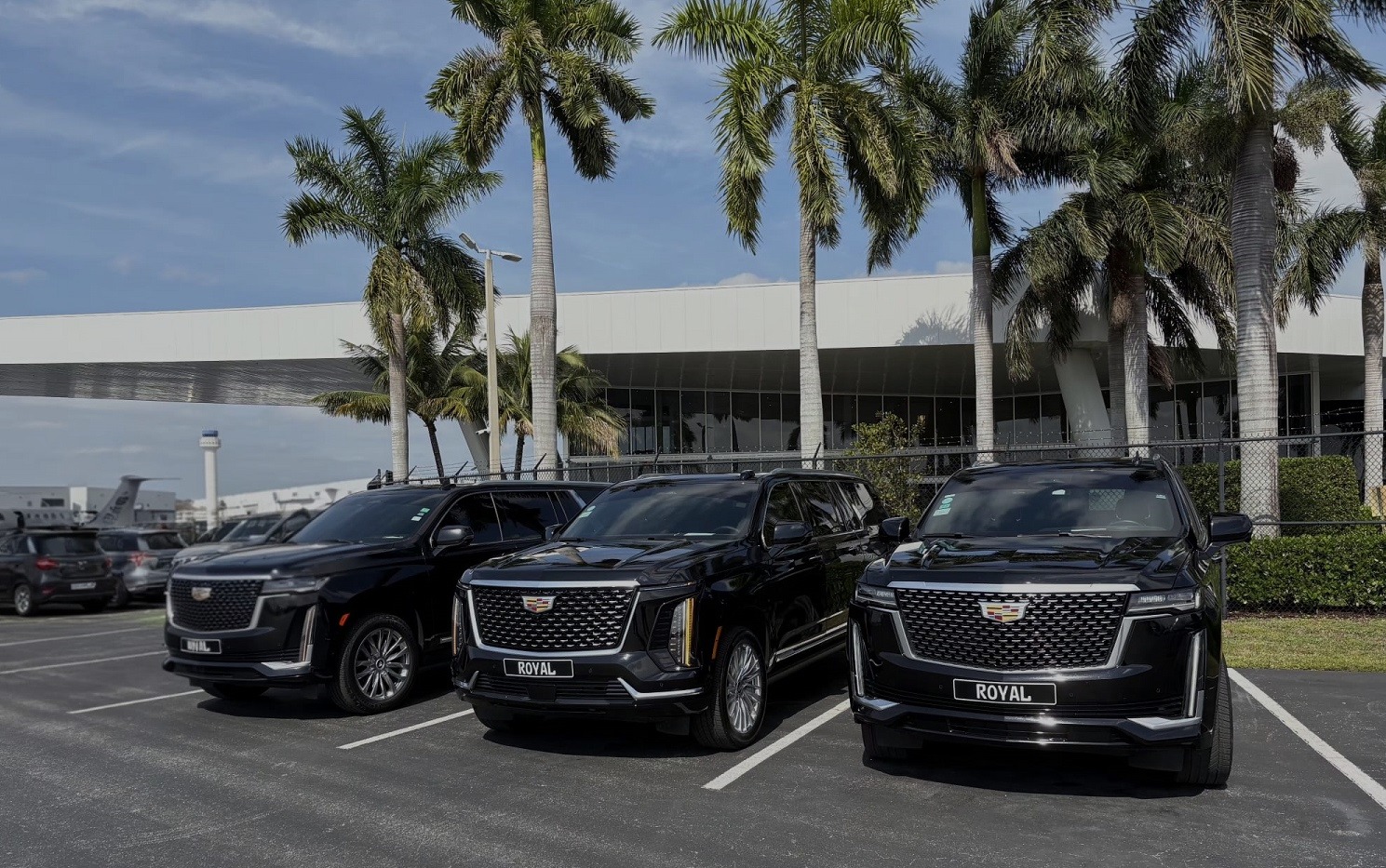
Use a reliable wedding transportation plan to move people efficiently, then layer in the classic car only for the photo block.
This is why planners pair editorial moments with dependable fleets like
Wedding vehicles: https://royal-limo.com/wedding-vehicles/
Luxury is smooth. Chaos reads cheap.
The Practical Execution Plan (No Deviations)
- Car arrives early (buffer built in)
- Photographer holds the shot list
- Couple arrives with stylist or assistant
- 15–20 minutes, start to finish
- Car exits cleanly
- Schedule stays intact
That’s how you get photos that look expensive—without sacrificing the rest of the wedding day.
