
Classic cars for weddings are high-reward and high-risk. The reward is obvious: presence, nostalgia, editorial photography, and that unmistakable grand arrival. The risk is quieter—and more dangerous: delays, mechanical uncertainty, weather sensitivity, and the reality that older vehicles don’t behave like modern transportation.
The solution isn’t optimism.
It’s timeline engineering—designing a schedule that extracts the value of classic cars, antique cars, or vintage cars for weddings without letting them become the failure point that collapses the day.
The First Decision: What Role Does the Classic Car Actually Play?
Before you build a timeline, assign the car a role. Everything else flows from this choice.
Your options:
- Photo prop only (lowest risk)
- Ceremony arrival only (moderate risk, controllable)
- Ceremony-to-reception transport (higher risk due to timing dependency)
- Primary all-day transportation (highest risk—avoid unless you have backup)
Most couples should choose #1 or #2. These give you maximum visual impact with minimal dependency. The moment you ask an antique vehicle to keep the day moving, you introduce fragility.
Build Your Timeline With Buffers (Because Reality Isn’t Punctual)
Here’s a professional rule that never fails:
If a moment matters, it gets a buffer.
Classic cars demand buffers because:
- They arrive early or late, not precisely on time
- Loading is slower
- Guests gather unpredictably
- Photography takes setup
Suggested Classic Car Timeline Blocks
- Car arrival: 30–60 minutes before it’s “needed”
- Photo block: 15–25 minutes (planned shots only)
- Ceremony arrival window: 10–15 minutes of flexibility
- Post-ceremony exit: staged, controlled, never rushed
The second you rush a classic-car moment, quality collapses:
- Dresses snag
- People trip
- Photographers miss frames
- The luxury feel turns frantic
Urgency is the enemy of elegance.
Protect the Schedule With a Two-Vehicle Strategy
This is the cleanest, lowest-stress approach—and how experienced planners operate.
- Classic / antique / vintage car: statement moments only
- Modern chauffeur vehicle: real transportation, real deadlines
The vintage vehicle delivers the look.
The modern vehicle delivers the day.
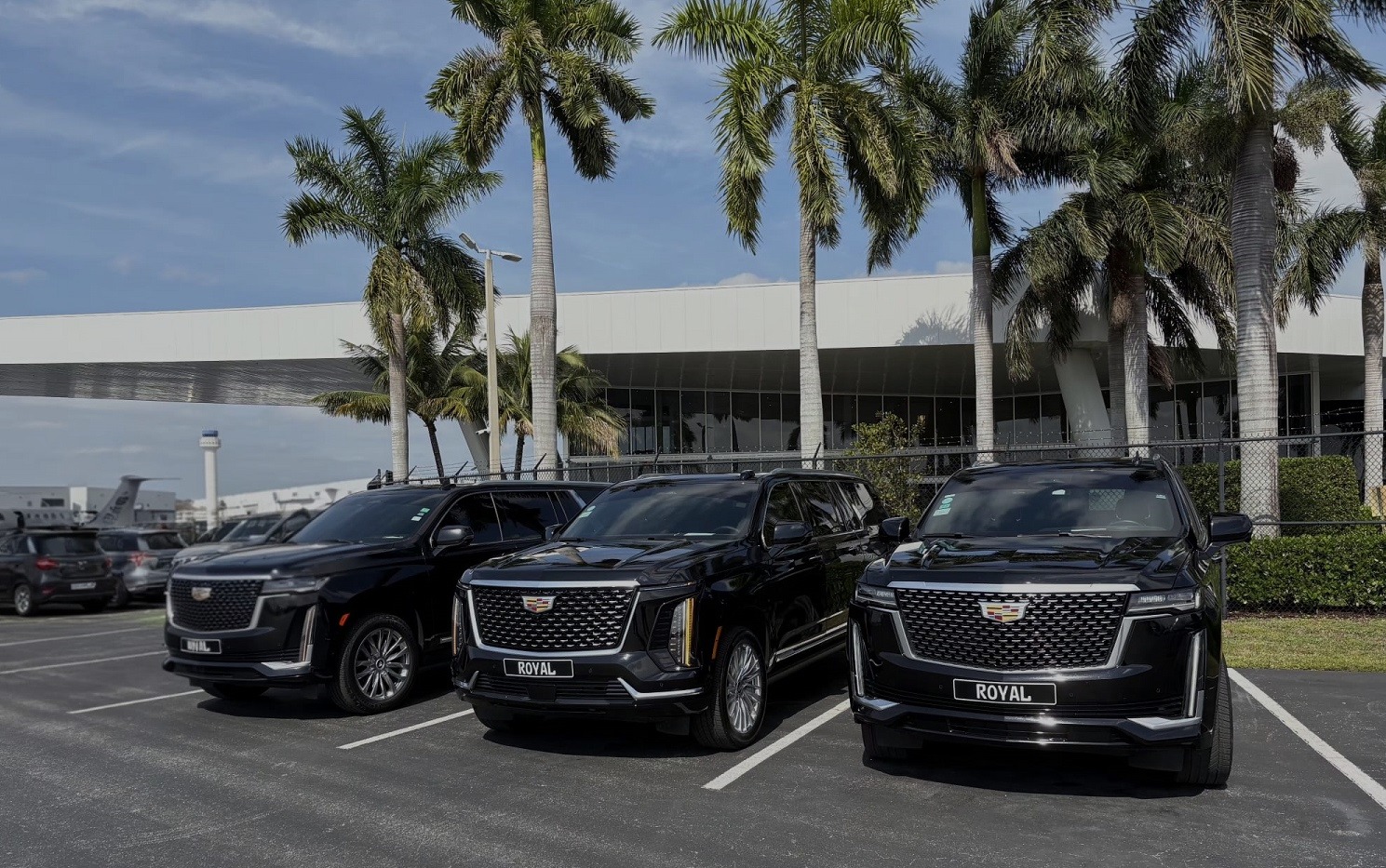
This is where Royal Limo’s wedding transportation fits strategically—not as “we own the antique car,” but as the execution layer that prevents timing breakdowns and handles:
- Bridal party transport
- Family logistics
- Guest shuttles
- End-of-night departures
https://royal-limo.com/wedding-vehicles/
https://royal-limo.com/our-fleet/
Luxury is when nothing depends on a single point of failure.
The Timeline Pressure Points You Must Plan For
Hair and Makeup Delays
They are not hypothetical. They are inevitable.
Never schedule the classic car to arrive at the earliest possible moment. Schedule it after the realistic completion window so delays don’t cascade.
Ceremony Start Time and Guest Arrival
Guests arriving late means ceremonies starting late.
If your classic car moment is locked to a rigid ceremony start, you’ve created unnecessary tension. Build flexibility into arrival windows.
Photo Transitions
Classic cars photograph best when staged—not when someone is shouting “we’re behind!”
Photographers need:
- Space
- Time
- Clean sightlines
Your timeline should protect setup, not compress it.
Weather Shifts (Especially in Miami)
Weather doesn’t care about your plan.
If the classic car is:
- Convertible
- Open-top
- Weather-sensitive
Your timeline must include:
- A covered alternative
- An indoor photo option
- A modern vehicle ready for real transport
Hope is not a weather strategy.
A Practical “Classic Car Moment” Itinerary
This structure works consistently:
- T-90 minutes: Classic car arrives, staged, cleaned, positioned
- T-60: Couple + photographer execute planned shot list
- T-30: Couple transitions; vehicle stands by
- T-10 to 0: Arrival window and final staging
- Post-ceremony: Staged exit, short photo capture, immediate transition to reliable transport
Nothing is rushed. Nothing is fragile.
Bottom Line
Classic cars, antique cars, and vintage cars for weddings can be spectacular in Miami—but only if you stop treating them like standard transportation.
Use them as controlled, high-impact moments. Let a professional modern fleet handle the logistics that actually matter.
That’s how you get the drama without the disaster.
